How I Earned $1M+ on Fiverr as a Web Developer
From my first $5 gig to becoming a vetted Pro Seller — lessons on pricing, client management, and building a freelance business that scales.
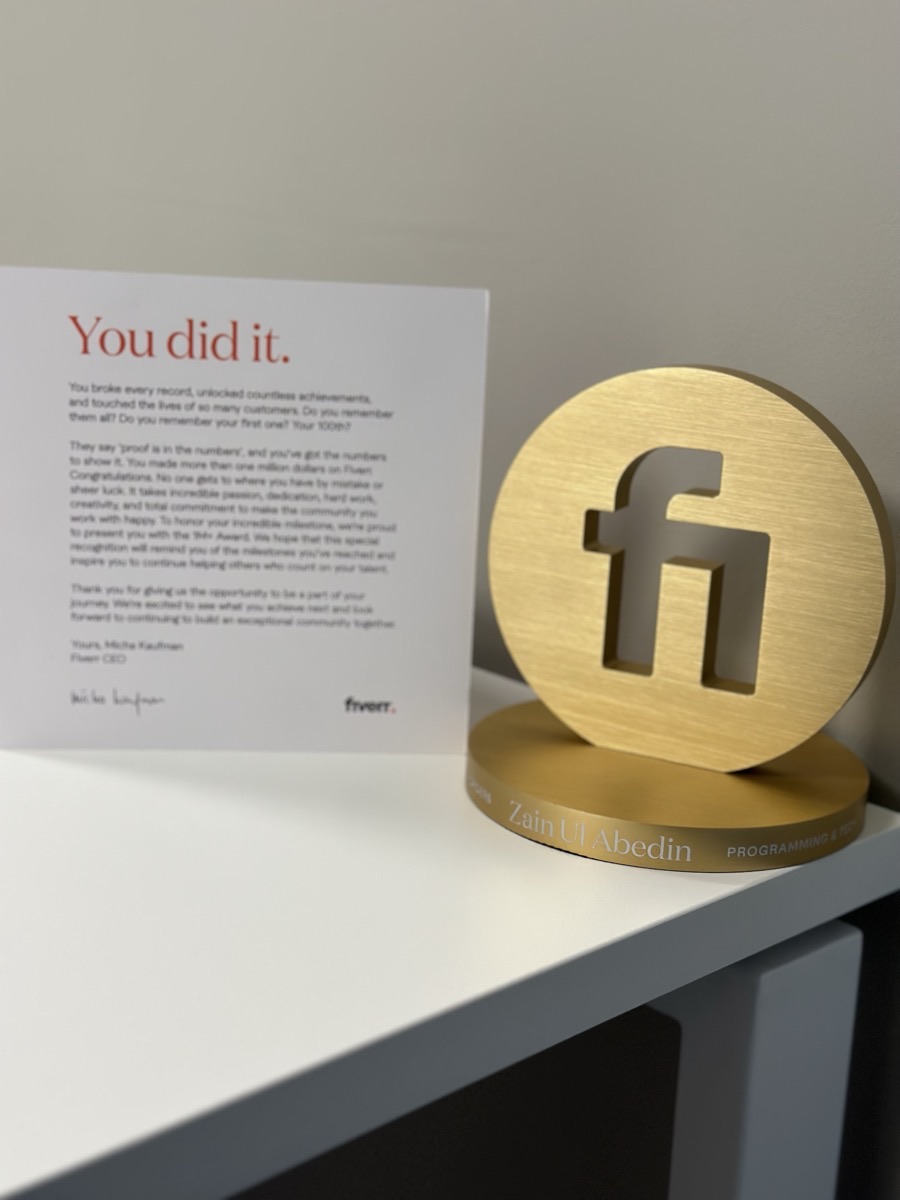
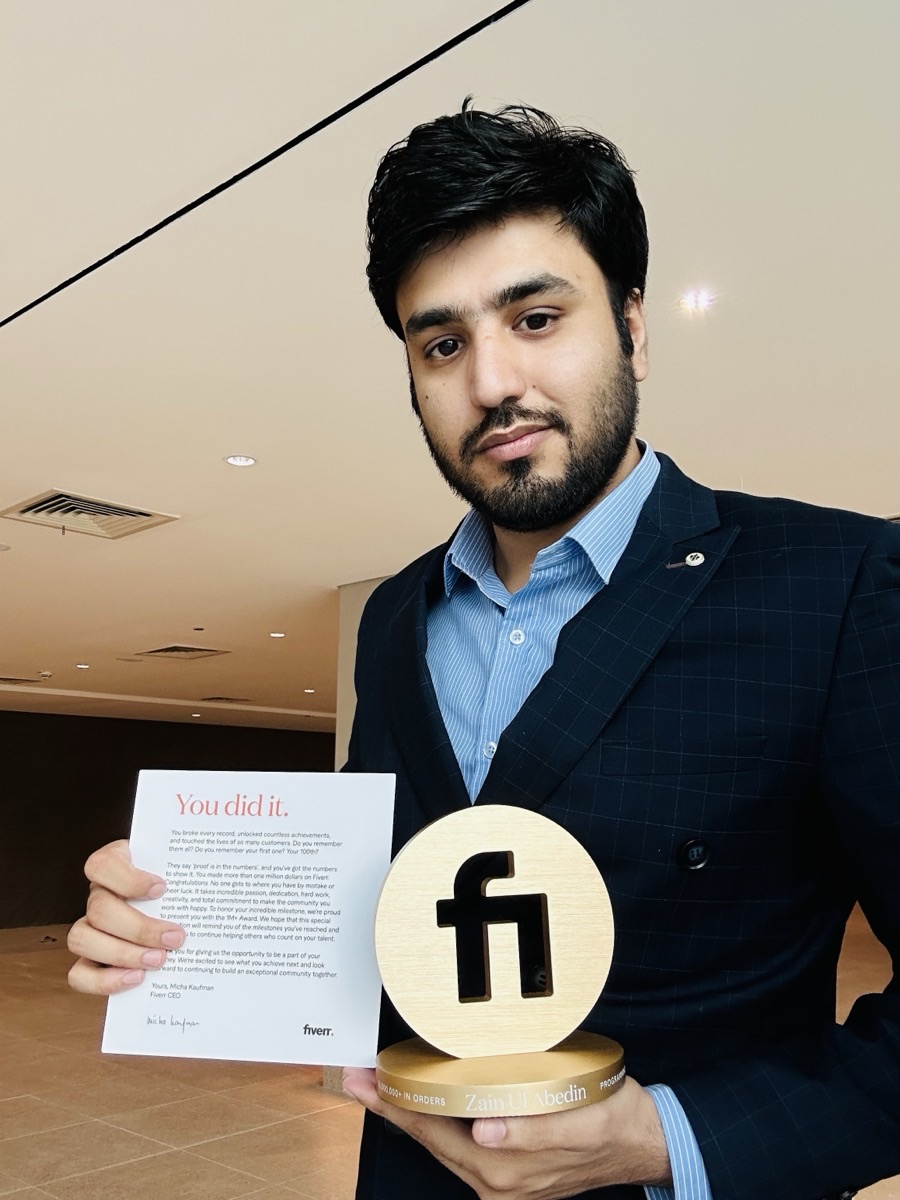
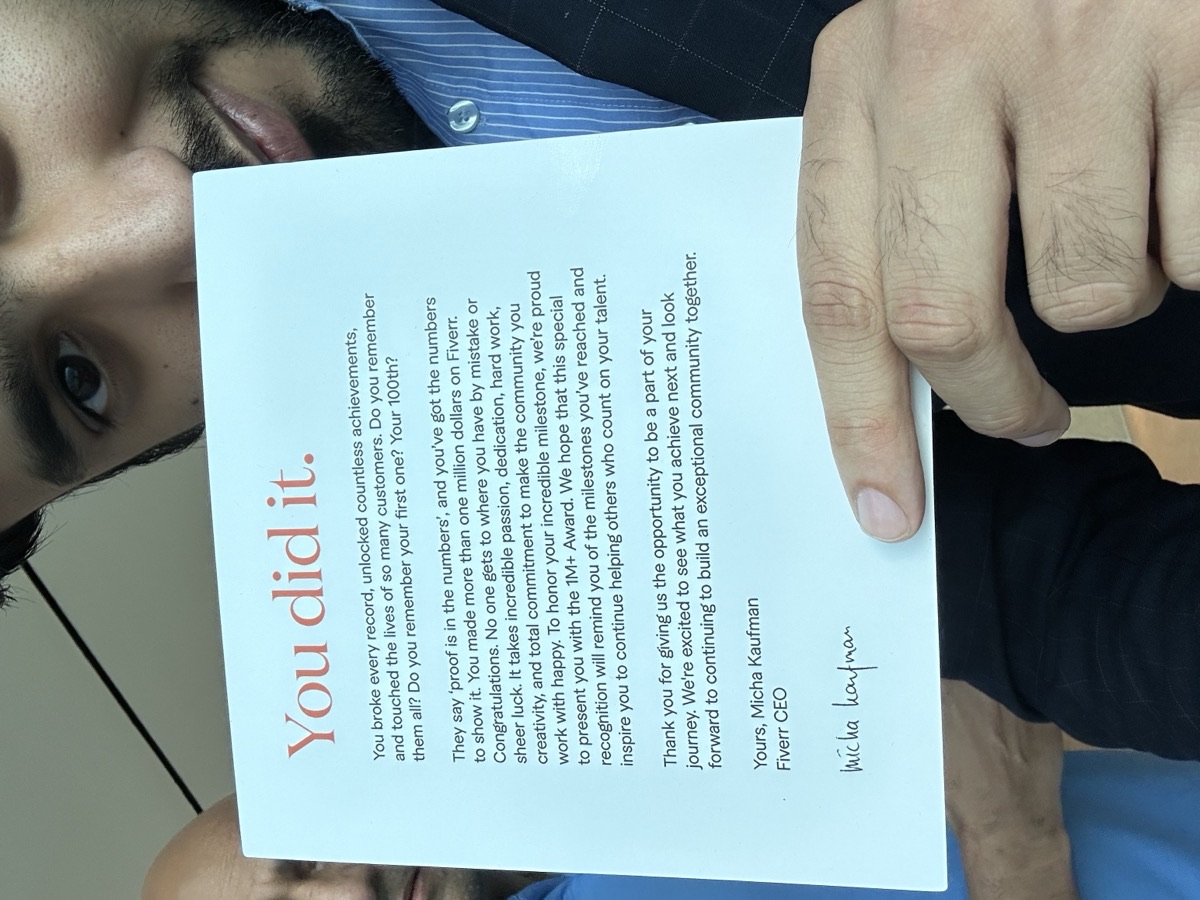
In 2024, Fiverr sent me a trophy engraved with my name and “$1,000,000+ in orders.” It came with a personal letter from Micha Kaufman, Fiverr’s CEO. Fewer than 1% of sellers on the platform have ever received one.
This is not a motivational post. This is a detailed breakdown of how I went from a $5 WordPress fix to seven figures in lifetime revenue on a single freelancing platform — the pricing mistakes, the systems that scaled, and the specific decisions that moved the needle at each stage.
If you are a web developer thinking about freelancing, or already on Fiverr and stuck at $2K–$5K/month, this is the post I wish existed when I started.

Starting at $5: The First 6 Months
My first paid order on Fiverr was a single-page WordPress fix for $5. I delivered it in two hours, the client tipped $5, and I remember thinking that was a decent hourly rate compared to what I was earning locally in Pakistan at the time.
That thinking nearly killed my freelancing career.
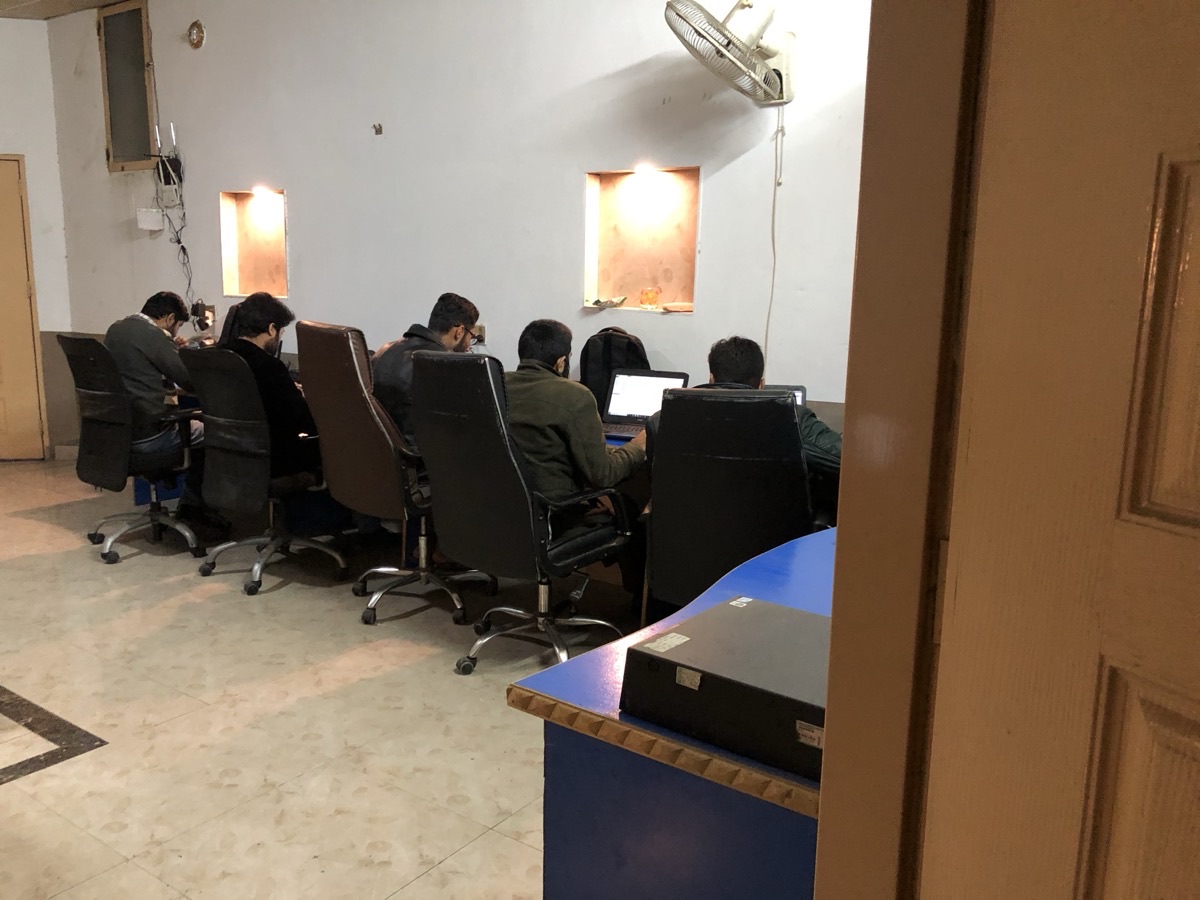
For the first six months, I priced everything between $5 and $25. I took on 15 to 20 orders per week, worked nights and weekends, and burned out hard. The 5-star reviews stacked up. My Level 1 badge arrived. And I was no closer to a sustainable business than I had been on day one.
The math was simple and brutal: 20 orders per week at an average of $15 = $300/week = $1,200/month. I was running a one-person sweatshop.
What I learned: Fiverr rewards volume early on. The algorithm needs to see completed orders, response rate, and on-time delivery before it trusts you with visibility. Those first 50 to 100 orders were not profitable, but they were necessary. Think of them as paid training — you are building your review base and learning how clients on the platform think.
The $150 Message That Changed Everything
Around month seven, a buyer asked for a full custom WooCommerce store. I quoted $150, expecting him to laugh. He paid in two minutes and asked when I could start.
That single message rewired how I thought about pricing. The same skills that $15 buyers considered “cheap labor,” $150 buyers considered “a steal.” The price was filtering my clients more than my portfolio was.
Within six months I raised my starting package from $25 to $250 and stopped offering anything below it. Here is what happened:
- Order volume dropped by roughly 60%
- Revenue tripled
- Client quality went up dramatically — fewer revisions, clearer briefs, faster decisions
- My response time improved because I was not drowning in messages
The clients who paid $250 turned out to be calmer, more decisive, and far less likely to disappear mid-project. Quality of life went up at the same time as income.
The 3-Package Framework That Doubled My Average Order
The single biggest lever on Fiverr is gig packaging. The buyer is not comparing your skill to the next seller — they cannot evaluate that from a listing. They are comparing your three-package layout, your gallery images, and how clearly you define the scope.
Here is the framework I use:
- Basic ($X): Intentionally narrow — one page, one revision, fixed scope. It exists to anchor the price and get you into the buyer’s consideration set.
- Standard ($3X–$4X): This is what you actually want to sell. Most buyers pick the middle option by default. Price it where you want to work.
- Premium ($8X–$10X): The stretch package for buyers who need the full build. Even if nobody buys it, it makes Standard look reasonable by comparison.
When I restructured my packages using this framework, my average order value went from $90 to $310 in about eight weeks. No change in traffic. No change in skills. Just better packaging.
Today my packages start at $500 for Basic, $1,500 for Standard, and $4,500 for Premium. The psychology is exactly the same — it just scales.
Communication: The Invisible Conversion Tool
Fiverr’s algorithm weighs response rate and response time heavily. But the real reason fast replies matter is conversion. A buyer who sends you a message is comparison-shopping 3 to 5 sellers right now. The first seller who replies with something specific and useful usually wins the order.
My rules for buyer messages:
- Reply to every new inquiry within 30 minutes during business hours, even if the reply is “Give me an hour and I will come back with a real answer.”
- Never copy-paste templates. Open the buyer’s brief, name the specific feature they mentioned, and quote a price in the first message.
- Always finish with a clear next step: “If this scope works, send the order through Standard and I will start tonight.”
- If the project is complex, send a brief scope document (3 to 5 bullet points) before the buyer orders. This eliminates 90% of mid-project misunderstandings.
That communication habit alone took my inquiry-to-order conversion from around 18% to over 40%. On a platform where most sellers convert at 10 to 15%, that difference compounds fast.
Growing Revenue: $5K to $15K Per Month
The jump from $5K to $15K per month was not about getting more orders. It was about three specific changes:
1. Specializing in WordPress and Shopify. I stopped taking on “anything web.” Every gig title, every gallery image, every FAQ answer was about WordPress custom development or Shopify store builds. Specialization makes the algorithm’s job easier — it knows exactly which searches to show your gig for.
2. Upselling existing clients. A client who just paid you $1,500 for a website build is the easiest person to sell a $300/month maintenance plan or a $500 speed optimization add-on. I started offering these as gig extras and then as separate gigs that I would send to past clients directly.
3. Raising prices every quarter. Every 3 months, I increased my starting package by 15 to 20%. If order volume stayed steady, the price was right. If it dropped more than 20%, I pulled back slightly. This iterative approach took my average project from $300 to $2,000 over about 18 months.
Building a Team Without Losing the Brand
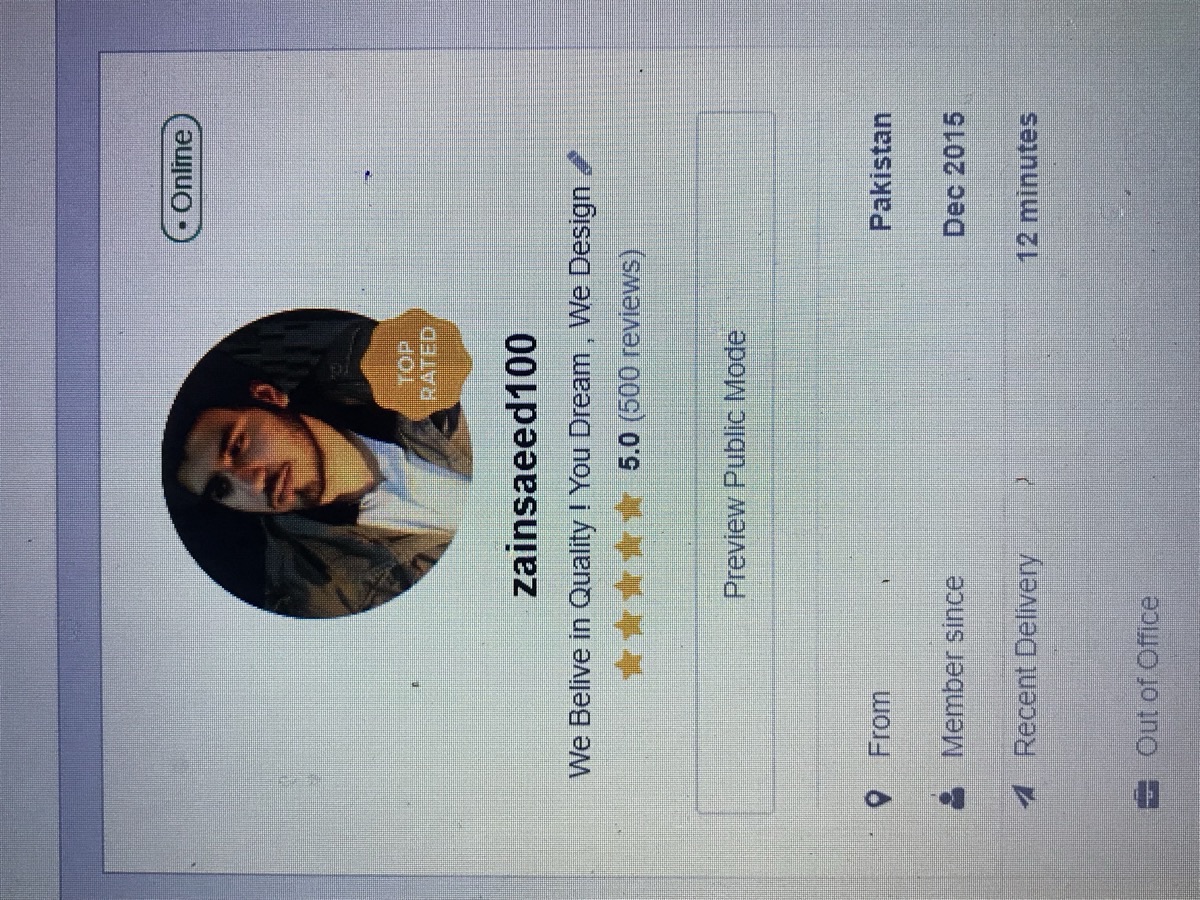
You cannot hit seven figures alone. Around the $15K/month mark, I hit a wall — I was the bottleneck on every project, working 12-hour days, and turning away orders I did not have capacity for.
My first hire was a part-time WordPress developer who handled routine tasks — plugin configurations, content uploads, basic customizations — while I focused on scoping, design direction, and client calls.
The hardest part was not finding the right person. It was learning to write briefs that another developer could execute without me hovering over every decision.
By the time I crossed the $1M lifetime mark, my team was four people:
- Two WordPress and Shopify developers handling builds
- One designer for custom layouts and branding
- One project manager who owned the messaging queue and client updates
My job shifted almost entirely to scoping, quality assurance, and client relationships. The counterintuitive result: delivery quality went up, not down. People specialize and get better at their slice, and I stopped being the single point of failure.
What Changed After Fiverr Pro
Becoming a vetted Fiverr Pro Seller changed the buyer profile overnight. The average inquiry shifted from small business owners with $500 budgets to agencies, funded startups, and enterprise teams with real budgets and clear requirements.
Two things happened:
- Average project size jumped from $1,500 to $3,500. Pro buyers expect Pro pricing. A $50 starting package would actually hurt conversion at this tier — it signals you do not belong there.
- Repeat business increased. Pro clients tend to have ongoing work. A single enterprise client can generate $10K to $30K over a year through multiple projects, maintenance, and referrals to their network.
I rebuilt my packages at $500 / $1,500 / $4,500 and saw zero pushback. The Pro badge did the trust-building work that my reviews had been doing at lower price points.
Handling Refunds and Disputes
Out of thousands of completed orders, I have had a handful of disputes reach Fiverr’s resolution team. My approach is contrarian: offer the refund first, fast, with no defensiveness.
A small refund costs you nothing compared to one negative review sitting at the top of your gig for six months. One 3-star review can drop your conversion rate by 10 to 15% — that is thousands of dollars in lost orders.
Fight only when the buyer is clearly trying to get free work, which in my experience is rare. Most “unhappy” clients are confused about scope. A calm explanation plus a 20% goodwill discount resolves it 9 times out of 10.
The Trophy and What It Actually Means
In 2024, Fiverr sent me the Millionaire Award — a trophy engraved with “Zain Ul Abedin, $1,000,000+ in orders” and a personal letter from CEO Micha Kaufman. Fewer than 1% of Fiverr sellers globally have received this recognition.
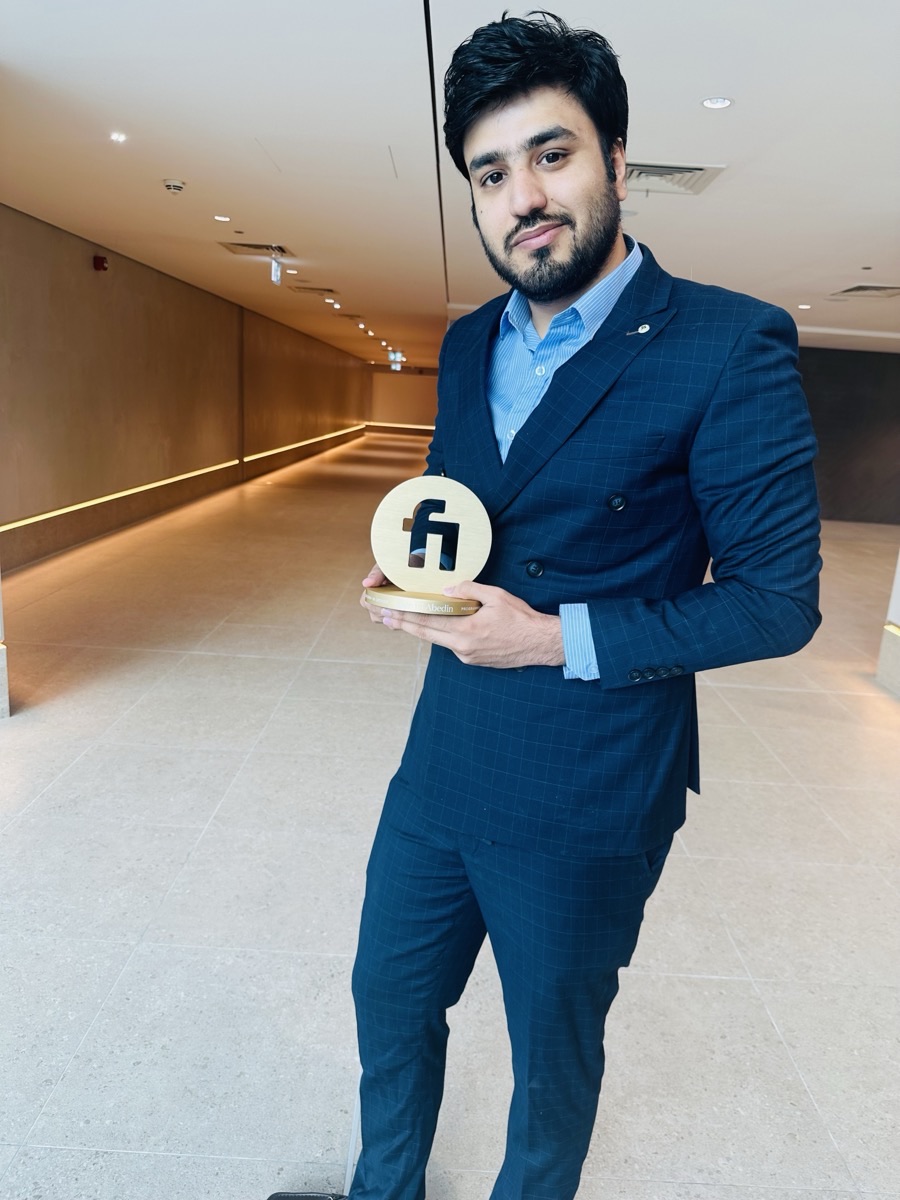
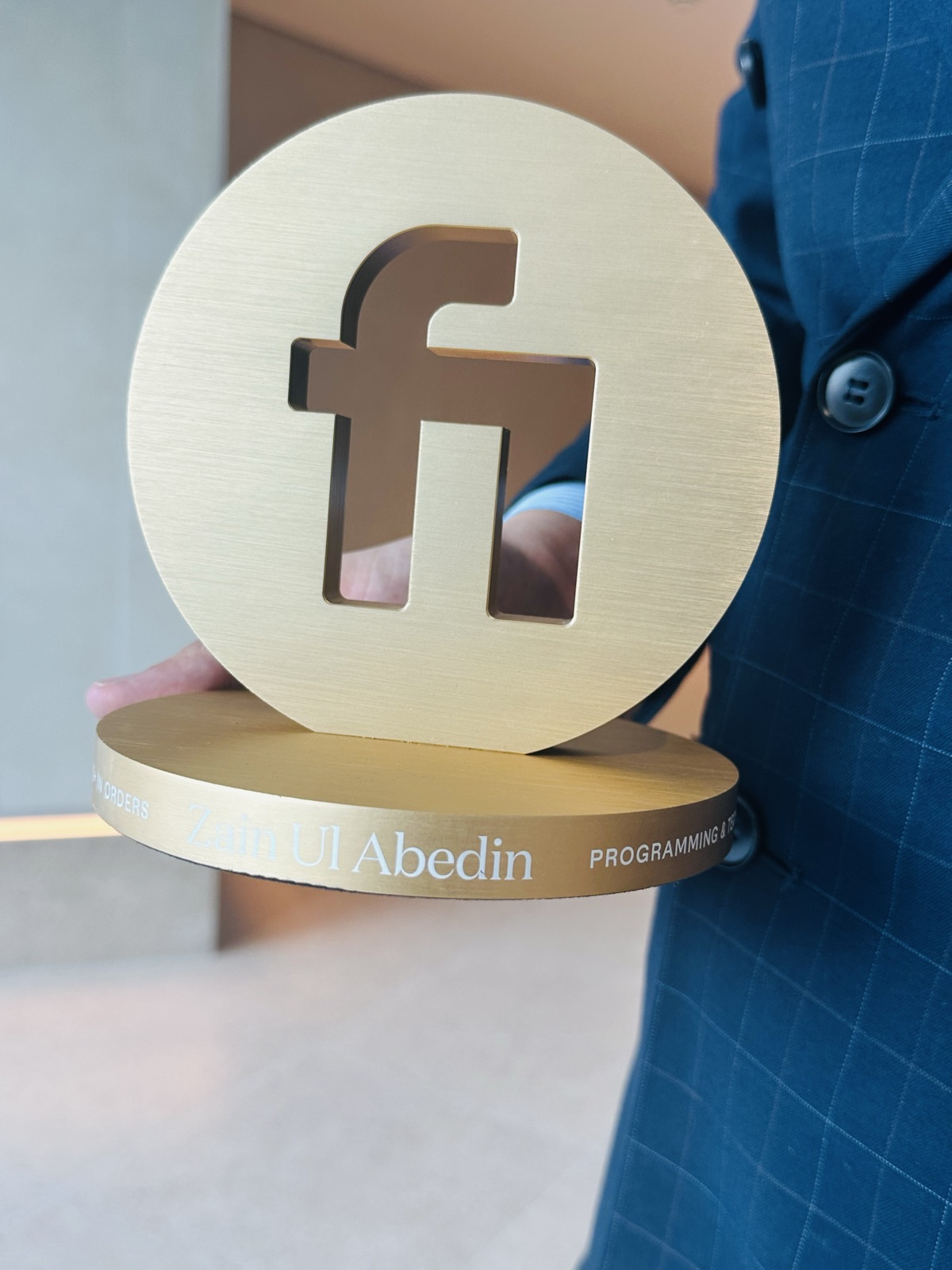
But the trophy is not the achievement. The achievement is what the million dollars represents:
- Thousands of websites built and shipped
- Clients in over 40 countries
- A team that grew from just me to a small agency
- A pricing model that went from $5 to $4,500 per project
- A business that runs whether I am online or not
The trophy sits on my desk. But the real proof is in the 100+ five-star reviews from real clients who came back for more work.
What I Would Do Differently Today
In 2026, AI tools have transformed how I build — I now work as a vibe developer, using AI to handle the mechanical coding while I focus on design decisions and client strategy. If I were starting on Fiverr in 2026, here is what I would change:
- Specialize immediately. I wasted a year doing “anything web.” Pick WordPress, Shopify, or Webflow and own it from day one.
- Raise prices at order 50, not order 200. I waited too long to increase my rates. The sweet spot is raising prices as soon as you are consistently booked 2+ weeks out.
- Build a portfolio site from month one. Fiverr is the acquisition channel, but your own website (like this one) is where you build authority, collect case studies, and rank for keywords that bring clients who never use Fiverr.
- Start a team at $8K/month, not $15K. I burned out because I waited too long to delegate. One junior developer at $8K/month revenue is sustainable and gives you breathing room to grow.
- Document everything. SOPs, scope templates, onboarding checklists. The sellers who scale are the ones who can hand a process to someone else without losing quality.

The Numbers
For the data-driven readers, here is the rough progression:
| Stage | Monthly Revenue | Avg Order Value | Team Size |
|---|---|---|---|
| Months 1–6 | $1,000–$1,500 | $15 | Solo |
| Months 7–12 | $3,000–$5,000 | $150–$250 | Solo |
| Year 2 | $8,000–$12,000 | $300–$500 | Solo + 1 part-time |
| Year 3 | $15,000–$20,000 | $800–$1,500 | 3 people |
| Year 4+ | $20,000–$35,000 | $1,500–$4,500 | 4 people |
Total lifetime: over $1,000,000 in completed orders on Fiverr alone. This does not include direct clients who found me through my website, referrals, or other platforms.
Ready to Work With Me?
I still take on select projects — primarily custom WordPress builds, Shopify theme development, and speed optimization. If you need a developer who has delivered for thousands of clients, request a quote or hire me directly on Fiverr.